
CFTC Sues New York Over Prediction Markets, Escalating U.S. Regulatory Battle
The Commodity Futures Trading Commission lawsuit against New York signals a turning point for prediction markets, redefining how emerging financial products are regulated and marketed in the U.S.

Article written by
Austin Carroll
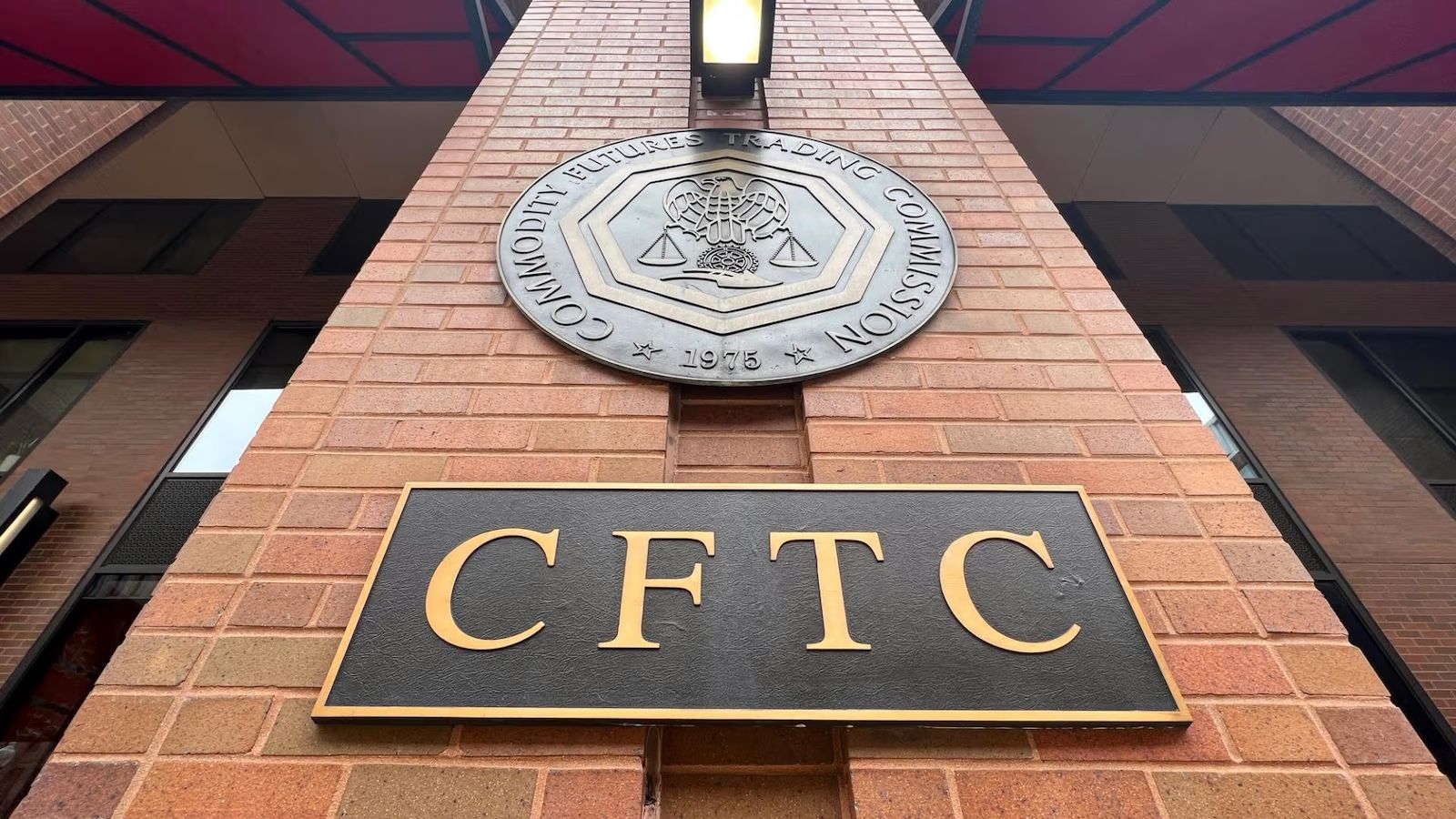
The regulatory fight over prediction markets in the United States has entered a new phase. A lawsuit filed by the Commodity Futures Trading Commission against the state of New York is putting the spotlight on how emerging financial products are classified, regulated, and marketed.
This case is not just about prediction markets. It is about who controls the future of financial innovation and how compliance expectations will evolve for platforms, fintech companies, and marketing teams.
When Betting Starts Looking Like Trading
The CFTC filed a federal lawsuit challenging New York’s restrictions on prediction markets, arguing that the state is overstepping its authority. According to the regulator, these markets fall under federal jurisdiction as derivatives products, not state-regulated gambling.
Prediction markets allow users to place trades on the outcome of real-world events such as elections, economic indicators, or corporate performance. The core issue is whether these platforms should be treated as financial instruments or as betting systems.
This legal clash highlights a growing tension between federal regulators who want to oversee innovation under existing financial laws and states that are attempting to impose their own restrictions.
Why This Case Is Bigger Than Prediction Markets
This lawsuit has implications far beyond prediction markets. It signals a broader shift in how regulators are thinking about new financial products and how they are marketed to users.
For companies operating in fintech, crypto, or alternative trading platforms, the classification of a product directly affects how it can be promoted, what disclosures are required, and what compliance frameworks must be followed.
Where companies will feel the pressure first
Federal regulators may assert broader control over emerging financial products
Marketing claims tied to outcomes or returns could face stricter scrutiny
Platforms may need to align messaging with financial product regulations instead of gaming or entertainment standards
State level restrictions could create fragmented compliance requirements across the U.S.
The Classification War No One Can Ignore
At the center of this dispute is a fundamental question. Are prediction markets financial tools or a form of gambling?
The CFTC argues that these markets function similarly to derivatives because users are trading on future outcomes with financial exposure. New York and other states have pushed back, viewing them as betting platforms that should be restricted under gambling laws.
This classification matters because it determines everything from licensing requirements to advertising rules. Financial products are subject to strict disclosure standards, anti manipulation rules, and investor protection laws. Gambling platforms operate under a completely different regulatory framework.
Your Marketing Strategy Is Now a Regulatory Decision
For marketing and growth teams, this case is a warning sign. Regulatory classification is no longer just a legal issue. It directly impacts how products can be positioned and communicated.
Companies promoting prediction markets or similar products must be careful about how they frame value propositions, risk, and potential outcomes.
The compliance traps hiding in your messaging
Framing speculative products as low risk or guaranteed outcomes
Using entertainment language for products regulators classify as financial instruments
Failing to include appropriate disclosures for financial risk
Targeting audiences without considering suitability or regulatory expectations
This is where platforms like Warrant become critical. As regulators tighten their approach, marketing teams need systems that ensure every claim, campaign, and piece of content aligns with evolving rules.
This Is What Regulatory Convergence Looks Like
The lawsuit between the CFTC and New York is part of a larger trend. Regulators are racing to define how new financial technologies fit into existing frameworks.
From crypto to AI driven trading tools, the line between finance, technology, and entertainment is becoming increasingly blurred. Regulators are responding by expanding their reach and clarifying boundaries, often through enforcement actions like this one.
For businesses, this means one thing. Waiting for clarity is no longer a strategy. Proactive compliance is now a competitive advantage.
The Signal Smart Teams Will Not Ignore
The CFTC’s lawsuit against New York is not just a jurisdictional dispute. It is a signal that regulators are preparing to take a stronger stance on emerging financial products and how they are marketed.
Companies operating in this space should treat this as an early warning. Align product classification, marketing language, and compliance processes now, or risk being caught in the next wave of enforcement.
Article written by
Austin Carroll

Make marketing compliance effortless
Tired of chasing every regulatory update? Explore how Warrant automates approvals.
Newsletter
